
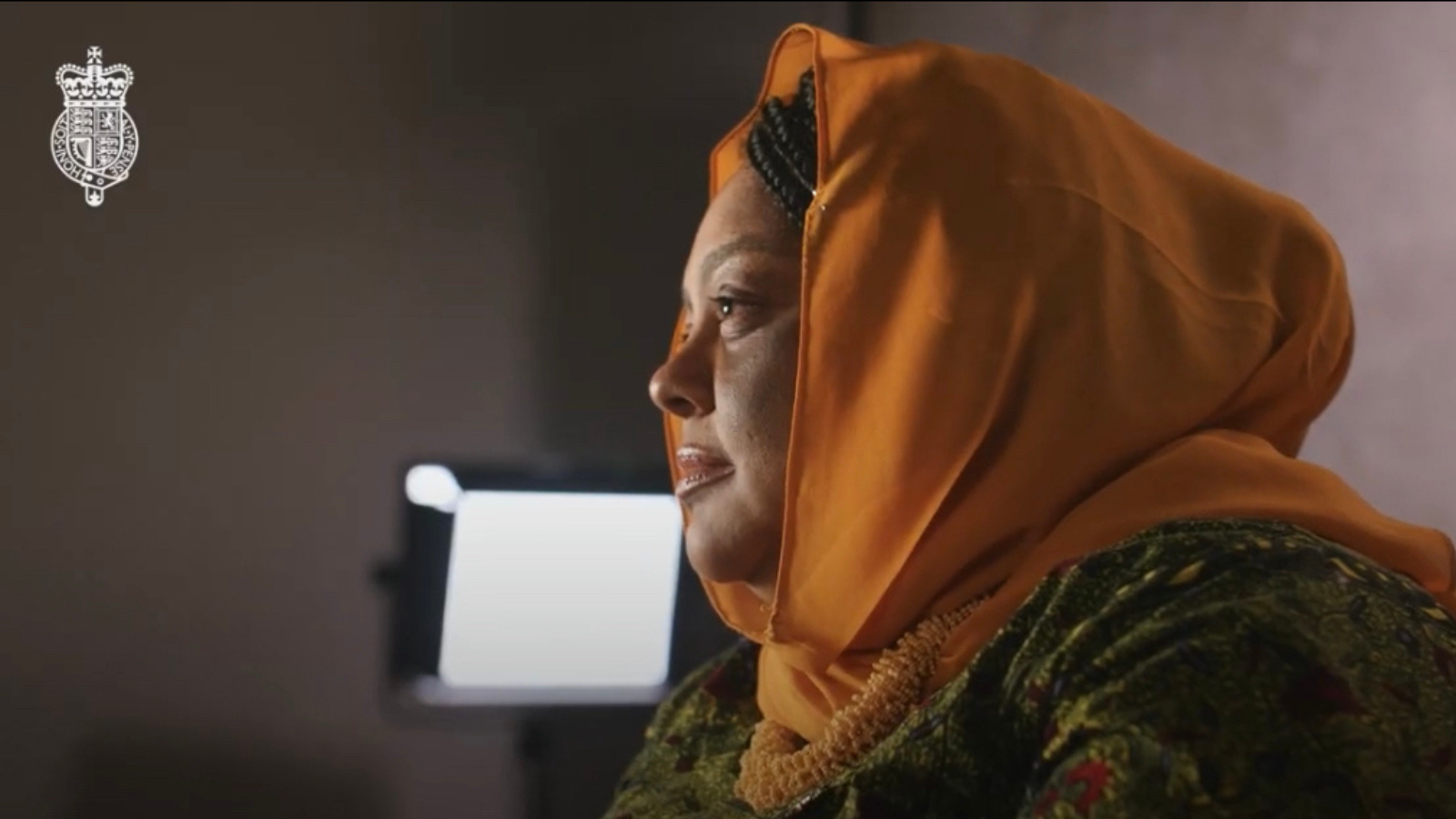
Our founder @AnnieAGibbs tells her story with the Home Office as part of their #EnoughIsEnough campaign to highlight we all have the power to be an active bystander and save lives and how powerful reaching in to someone experiencing domestic abuse can be.
You can find out ways you can safely intervene and stop abuse online at the Home office website.
As a friend, family member or neighbour, or as a stranger on the street, it’s not your responsibility to stop the abuse, but the impact of reaching in can be immense. A few simple steps can make all the difference to a victim of domestic abuse. See below for some suggestive ways from Safe Lives national domestic abuse charity how you can #ReachIn.
How you may be able to help:
As a friend or family member or neighbour, it’s not your responsibility to stop the abuse. But you can do a lot to help by following a few simple steps.
1. Prepare
Think of safety first and don’t put yourself or your friend at risk.
- Think about safe ways to meet or contact them when they’re alone
- Know what help is available locally – try searching your local council website for ‘domestic abuse’
- Have the numbers for the relevant national helplines to hand
- Be led by what they think is safe
2. Ask
Start conversations gently, conveying your concern.
- “You haven’t been in touch much lately. Is everything OK?”
- “I’ve noticed you seem a bit down. Has anyone upset you?”
- “I’m worried about how you’re doing during lockdown. Should I be?”
3. Listen
A common concern is feeling like you don’t know enough about domestic abuse to respond well. But simply listening can help someone to break the silence around their situation.
- “Go on…”
- “How do you feel about that?
- “Thank you for telling me.”
4. Reassure
If someone tells you they are being abused, the important thing to convey is that you believe the person. And to let them know what’s happening to them is wrong.
- “I believe you.”
- “It’s not your fault.”
- “Thank you for telling me.”
5. Offer help
Make suggestions, not demands. It’s important not to pressure the person who is experiencing abuse. They need to make their own decisions in their own time.
- Offer to ring a helpline to find out about support.
- Offer to make a plan together on how to stay safe – take a look at our safety planning guide
- You could offer a place to stay if needed, or keep an emergency bag. Remember leaving an abusive partner can be dangerous. It should be done with the support of a specialist domestic abuse service.
Find out more about how you can help someone in need below